
Kansas Legislature
Testimony before the House Committee on Corrections & Juvenile Justice regarding marijuana decriminalization and disproportionate cannabis sentences.
View sourceFounder • Forgotten Prisoner
Founder, American Negotiator & International Criminal Justice Advocate
Also known as Donte Westmoreland
From fighting for his own freedom to fighting for others across borders.
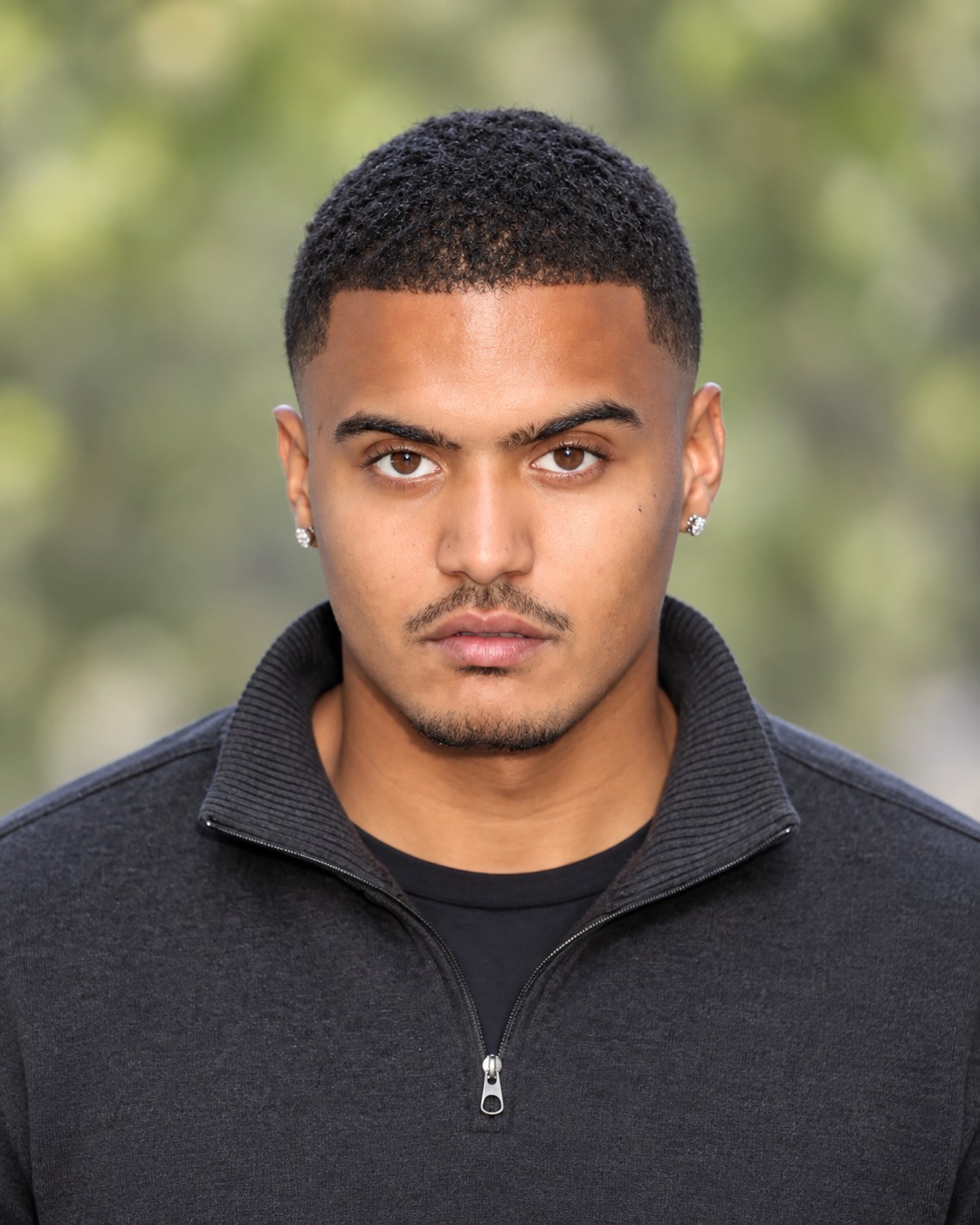
Donte West, also known as Donte Westmoreland, is the founder of Forgotten Prisoner and an American Negotiator and International Criminal Justice Advocate working across cannabis justice, clemency, sentence reform, humanitarian advocacy, and complex criminal-justice cases in the United States and abroad.
Recognition, Coverage & Public Record
Independent sources and public records. Listing does not imply endorsement.
From incarceration to advocacy
In 2017, Donte West received a seven-year, eight-month prison sentence in Kansas in a cannabis-related case.
While incarcerated, West began studying his case, writing lawmakers, pursuing clemency, and challenging the conviction from inside prison.
After approximately three years and eight months in custody, his conviction was vacated after previously undisclosed exculpatory evidence came to light. The case was later dismissed, and West was exonerated in 2021.
Instead of walking away from the criminal-justice system, he turned his experience into a career advocating for people still trapped inside it.
Today, his work spans clemency, sentence reform, cannabis justice, reentry, international humanitarian advocacy, and complex negotiations involving individuals facing severe criminal consequences.
A seven-year, eight-month sentence in a cannabis-related case.
Previously undisclosed exculpatory evidence came to light after roughly three years and eight months in custody.
The case was dismissed and Donte was exonerated.
Kansas City, Missouri formally establishes 4/20 Donte West Cannabis Justice Day.
Advocacy and negotiation in the case of Jarred Shaw in Indonesia.
Public record
Donte is publicly known as Donte West and appears in government, court, legislative, and exoneration records under the name Donte Westmoreland, including the National Registry of Exonerations.
Official Kansas legislative testimony submitted in 2023 identifies him as Donte Westmoreland and is signed Donte West, directly connecting both names in the public record.
This page serves as the official Forgotten Prisoner profile for Donte West.
Policy & public advocacy
Testimony before the House Committee on Corrections & Juvenile Justice regarding marijuana decriminalization and disproportionate cannabis sentences.
View sourceHis story and written testimony entered the federal congressional record in discussions of cannabis policy and criminal justice.
View sourceParticipated with the Last Prisoner Project in a panel examining the consequences of cannabis convictions on individuals and communities.
View sourceChanging a law means little if the people sentenced under the old law are left behind.
Officially recognized by Kansas City, Missouri.
On April 20, 2023, the Mayor and City Council of Kansas City, Missouri formally recognized and established 4/20 Donte West Cannabis Justice Day — recognizing his personal fight for freedom, his work on clemency and policy initiatives, his focus on reentry, and his advocacy for incarcerated cannabis offenders.
View Official Resolution (230361)From national advocacy to international negotiation
In 2025, West — identified by Reuters as negotiator for Jarred Shaw — became involved in the case of American professional basketball player Jarred Shaw, who was incarcerated in Indonesia after being arrested in connection with THC-infused gummies.
As Andscape reported, West traveled to Indonesia, met with local prosecutors, worked alongside Shaw's Indonesian legal team, engaged with officials connected to the U.S. Embassy in Jakarta, and advocated around both the criminal case and Shaw's access to medical treatment.
His involvement continued through Shaw's prosecution, sentencing, medical advocacy, and efforts to secure his eventual return to the United States.
Find the people the system has forgotten — and fight to bring them home.
Reuters
“Donte West, negotiator for Jarred Shaw”
Andscape
Shaw's American criminal-justice advocate
Working across legal teams, families, advocates and institutional stakeholders.
Bringing visibility and resources to people facing severe or disproportionate punishment.
Medical care, treatment conditions, family access and basic human concerns.
Using media and policy relationships so complex cases don't disappear from view.
Advocacy with results
15-year sentence → Vacated
After Missouri legalized adult-use cannabis and created an expungement process, Christopher Duncan remained incarcerated despite qualifying for relief. Donte West, Nate Ruby, and UMKC law professor Sydney Ragsdale filed Duncan's Amendment 3 petition. The petition was granted; his cannabis offense was expunged and his sentence vacated.
Chris Duncan case result92-month sentence → Clemency granted
West worked alongside attorney Barry Grissom to assist Deshaun Durham with his clemency petition after a lengthy Kansas sentence for a nonviolent cannabis offense. Kansas Governor Laura Kelly ultimately commuted Durham's sentence. West was present when Durham walked out of Hutchinson Correctional Facility and reunited with his family.
His advocacy also extends to the current Kevin Allen case (KSLA coverage), and to reentry support in the Robert Franklin result. Donte West and Kyle Page advocated for Antonio Wyatt’s release. The Last Prisoner Project 2023 Annual Report provides a formal supporting source. View Antonio Wyatt’s case. West's work has also included advocacy for people serving lengthy cannabis sentences and support for broader clemency, sentence-relief, and reentry efforts through Forgotten Prisoner and previous criminal-justice organizations.
Forgotten Prisoner resultsNational recognition
Listed as a Kansas exoneree (as Donte Westmoreland) following his 2017 conviction and 2021 exoneration.
View sourceResolution 230361 establishing 4/20 Donte West Cannabis Justice Day.
View sourceJoined Last Prisoner Project leadership in accepting the 2023 Champion of Justice Rights Restoration Award.
View sourcePanel participant on the consequences of cannabis-related criminal-justice involvement.
View sourceTestimony regarding marijuana decriminalization.
View sourceIn the media
Reuters · 2025
Andscape · 2025
KSLA · 2024
Fox News
High Times
Founder of Forgotten Prisoner
Donte West founded Forgotten Prisoner around a problem he experienced firsthand: a law can change while the person sentenced under it remains incarcerated.
Forgotten Prisoner advocates for people serving disproportionate cannabis-related sentences through legal intervention, clemency, humanitarian advocacy, policy reform, and international case support — alongside attorneys, advocates, families, policymakers, journalists, and other partners.
Donte's mission
No one should become invisible simply because the system stopped paying attention.
Justice requires going back for the people those laws left behind.
Know someone serving a disproportionate cannabis-related sentence?