Legal and public advocacy
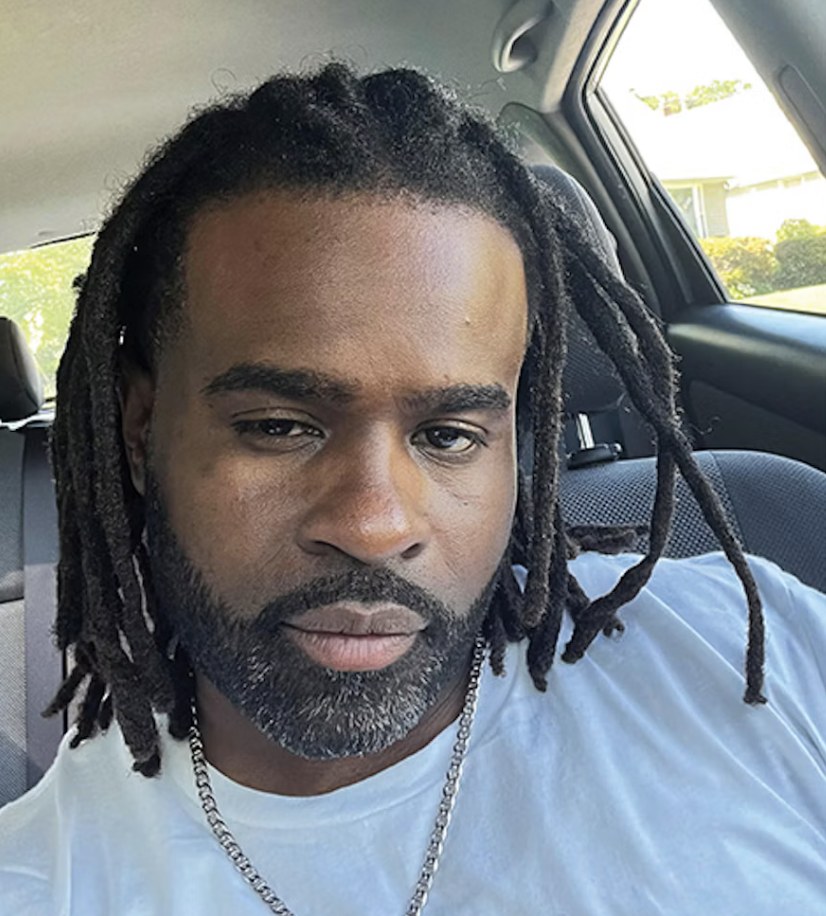
Donte West and the Last Prisoner Project took up the case, and former U.S. Attorney Barry Grissom added his voice that the sentence was excessive.
Case result
Riley County, Kansas
92-month sentence for marijuana distribution. Sentence commuted, released December 2024.
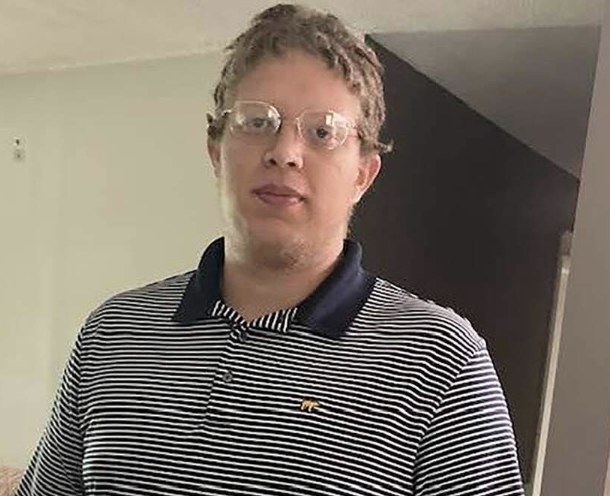
Kansas Gov. Laura Kelly commuted Deshaun Durham’s 92-month marijuana sentence, and he walked free on December 6, 2024.
The case
Deshaun Durham was 20 when he was arrested in June 2020 for selling marijuana, which he was doing to pay for his own habit.
In March 2022 he pleaded to distribution or possession with intent to distribute marijuana. Two months later a Riley County judge handed down 92 months. He began life in prison right around his 22nd birthday.
His mother made him a promise two and a half years before his release: she would do everything in her power to get him home.
The path to freedom
His mother and a family friend reached out to Donte West and the Last Prisoner Project. West, who had his own Riley County conviction in front of the same judge, said that history pushed him to get involved.
Barry Grissom, a former U.S. Attorney for the District of Kansas, reviewed the case and agreed the sentence was too long.
Gov. Laura Kelly granted a commutation. Durham got the news in November 2024 and walked out on the morning of Friday, December 6, 2024. The source does not describe the terms of the commutation.
Original sentence
92 months
Result
Sentence commuted
Timeline
Durham is arrested for selling marijuana.
He pleads to distribution or possession with intent to distribute marijuana.
A Riley County judge imposes a sentence of about 7.6 years.
He learns Gov. Laura Kelly has commuted his sentence.
Durham walks out of Hutchinson Correctional Facility.
The work behind the result
Donte West and the Last Prisoner Project took up the case, and former U.S. Attorney Barry Grissom added his voice that the sentence was excessive.
His mother, Brandi Wishard, kept her promise to fight for him and helped set the effort in motion.
Life after release
Durham was 24 when he came home. His first goals were simple: a meal that wasn’t prison food, time with his siblings, and meeting a niece born while he was inside.
He also hoped to catch a Kansas City Chiefs game and to help others imprisoned for crimes like his.
“That’s just bad public policy.”
Why this result matters
A first, non-violent marijuana case that would have run to 2030 ended in 2024.
Durham’s sentence was cut short by a commutation — a form of relief the source describes as rare. It shows what persistent family, legal and public advocacy can achieve for someone serving years for a non-violent marijuana offense.
Documents, sources & coverage
Help create the next result
People still serving disproportionate cannabis sentences today.
Fund the legal work that turns sentences into second chances.
Know someone who may be eligible for review?
Last updated October 2026.